
A Fed rate hike is practically a foregone conclusion. How will markets react?

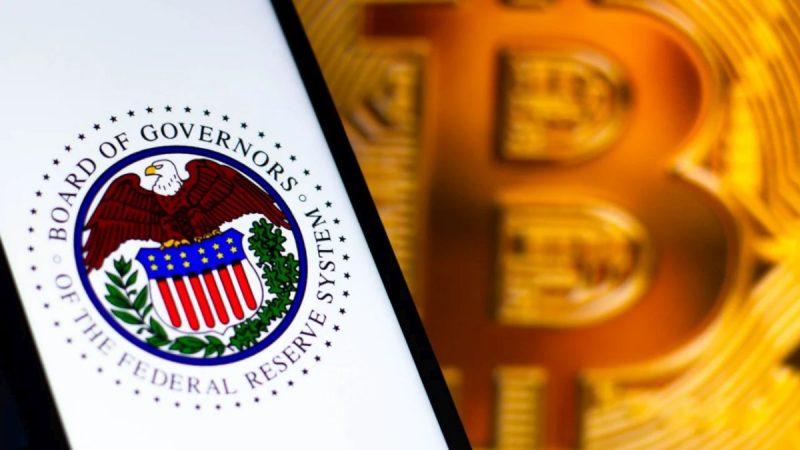
- The likelihood of the US Federal Reserve raising interest rates next week has increased.
- Experts believe that its growth has already been priced in by the market, but maintaining it at the current level will cause greater volatility.
Following Friday's release of data showing a slight increase in the core consumer price index, the likelihood of the Federal Reserve raising interest rates next week has increased significantly. This raises the question of whether the rate hike will have a significant impact on the economy.
In August, the core consumer price index rose by 0,3%, exceeding economists' expectations of a 0,2% increase. Headline inflation increased by 0,4% month-on-month and 3,4% year-on-year, fully in line with forecasts.
As a reminder, the European Central Bank raised interest rates a few days earlier. Bank of America expects the Fed to also raise rates by 25 basis points next week and further tighten monetary policy by an additional 50 basis points by the end of the year.
LMAX Group global markets strategist Joel Krueger believes traders were leaning toward a rate hike even before the release of consumer price index data.
It can be said that a significant part of the risks associated with the hawkish policy is already priced in.
If the Fed raises rates, the market reaction could be quite muted. More significant fluctuations are possible if the central bank refrains from raising rates.
Matt Mena, senior cryptocurrency analyst at 21Shares, doesn't believe a rate hike is an automatic problem for Bitcoin. He notes that in the 30 days following the release of better-than-expected core consumer price index (CPI) data, Bitcoin has averaged a 2,13% gain.
This pattern may explain Bitcoin's resilience. Rising interest rates typically put pressure on Bitcoin, making interest-bearing assets more attractive. However, Connors argues that if yields rise due to investor concerns about inflation, government debt, and policy credibility, Bitcoin and gold could act as alternative assets simultaneously.
"Oil can't be printed, and Bitcoin can't be devalued," Connors concluded.