- A US court has ordered crypto exchange operator Poloniex to pay back funds transferred shortly before the crypto storage facility went bankrupt. Prime Trust.
- The case did not affect crypto exchange owner Justin Sun.
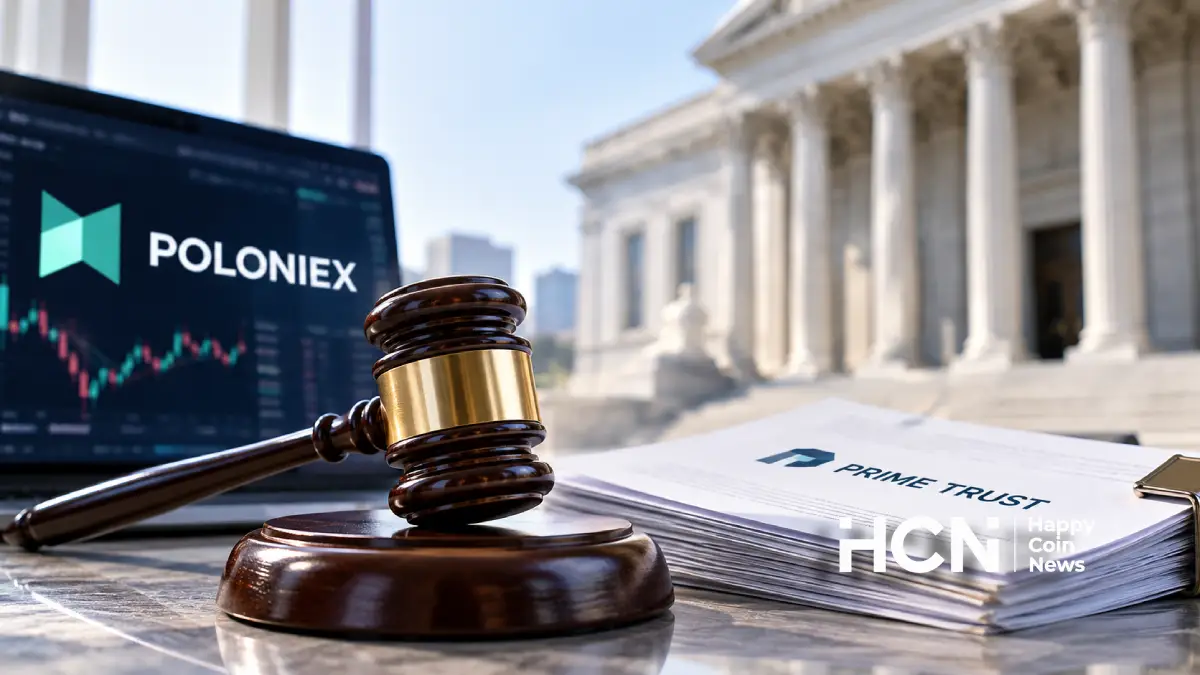
The Delaware Bankruptcy Court issued a default judgment against Polo Digital Assets LTD, operator of the Poloniex crypto exchange, ordering the company to pay $9,084,253 to the asset recovery company for the bankrupt cryptocurrency depository, Prime Trust. The ruling came after Polo failed to respond to the lawsuit.
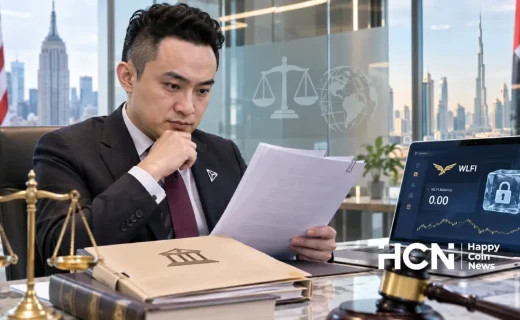
The dispute itself began in August 2025. The PCT Litigation Trust, a special trust created after Prime Trust's bankruptcy to handle litigation and distribute recovered assets among creditors, demanded the return of payments made shortly before the company's collapse. The defendants in the case were Polo Digital Assets and TRON founder Justin Sun.
Why are Poloniex demanding a refund?
Prime Trust provided fiat and digital asset custody services to cryptocurrency companies and helped clients access US banking infrastructure. Since 2019, Prime has had separate agreements with Sun and Polo, as well as an escrow agreement related to the acquisition of Poloniex. Court documents identify Polo as a company owned and/or controlled by Sun, with Polo itself acting as the operator of Poloniex.
In May 2023, Prime terminated this relationship and began returning the funds it held. The issue arose due to timing—the transfers were made within the last 90 days before Prime filed for bankruptcy on August 14, 2023. Under U.S. bankruptcy law, these transactions are precisely the kind of transactions that, under certain conditions, can be challenged as preferential payments to one creditor over others.
This is an important distinction: the court's decision doesn't mean Poloniex stole the money or that the court found fraud. The PCT's demand is different: to return funds received shortly before the bankruptcy to the bankruptcy estate so that they can be taken into account in settlements with all Prime Trust creditors.
According to the case materials, one portion of the funds was tied to escrow during the acquisition of Poloniex, while the remaining payments followed the termination of the contracts. In total, Prime transferred to the defendants almost the entire amount now being recovered from Polo.
Prime Trust's collapse leaves lenders with a massive deficit
At the time of these transfers, Prime Trust's problems were rapidly escalating. In June 2023, the Nevada Division of Financial Supervision declared the company unable to fulfill all client withdrawal requests and failed to adequately safeguard the assets transferred to it. The regulator ordered Prime to stop accepting new fiat and cryptocurrency deposits.
A few days later, Nevada authorities filed a lawsuit demanding that the company be placed into receivership. The regulator explicitly described Prime as insolvent and operating in an unsafe manner. In July, the court appointed a temporary receiver, and on August 14, Prime Core Technologies filed for Chapter 11 bankruptcy protection.
The later approved plan calls for the liquidation of the remaining assets. A PCT Litigation Trust was established to collect disputed payments and other claims, and is currently pursuing a series of legal proceedings against Prime's former clients and counterparties.
As such, the default judgment against Polo is part of a larger effort to recover funds from the bankruptcy estate three years after the custodian's collapse.
Justin Sun hasn't lost this case yet.
It's especially important to separate the ruling against Polo from the proceedings against Justin Sun. The October 15 ruling specifically stipulates that the default judgment against the company does not establish Sun's liability and cannot be used as evidence against him. His portion of the trial continues.
In September, Sun attempted to have the case dismissed, arguing that the U.S. court lacked personal jurisdiction over him. On September 30, Judge J.Kate Stickles rejected this very argument, ruling that the court had jurisdiction to hear the claims against him.
The information on this site is for informational and educational purposes only and does not constitute investment advice or financial recommendations. Cryptocurrencies and digital assets carry a high level of risk, including possible loss of capital. The editors are not responsible for decisions made based on the published materials. It is recommended to conduct your own research (DYOR) before making investment decisions. Read the editorial policy at https://happycoin.news/about/