
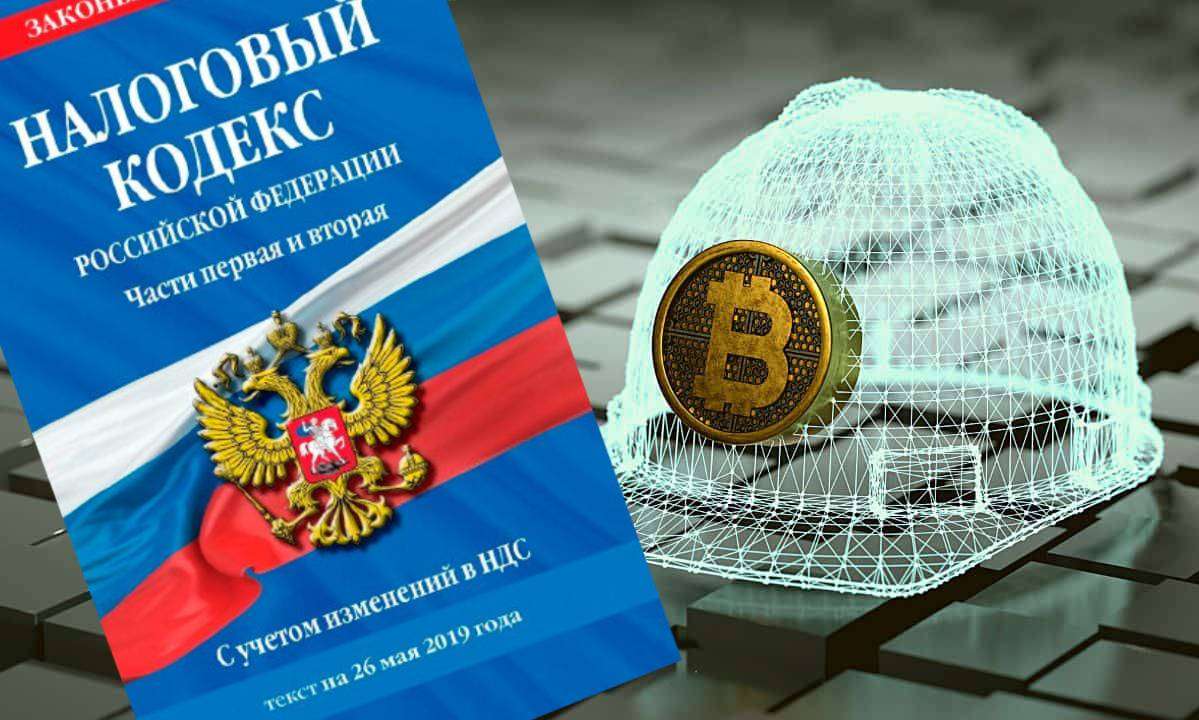
In April, a bill regulating digital currencies was introduced to the State Duma . This move marks a shift toward creating a comprehensive regulatory framework for crypto assets, replacing partial measures such as recognizing cryptocurrency as property and legalizing mining.
The aforementioned bill defines such concepts as "digital currency," "digital financial assets," "foreign digital rights," "digital account," "digital currency mining," "mining pool," and others.
According to the document, individuals and legal entities will be able to legally purchase cryptocurrency starting July 1, 2026, but only through licensed intermediaries. These will include registered exchange offices, brokers, and trustees.
Only cryptocurrencies with an average market capitalization of over $55–60 billion, or 5 trillion rubles, will be allowed to be publicly traded. Cryptocurrency payments remain prohibited within Russia, but businesses will be able to use cryptocurrency for foreign trade transactions.
A digital depository system will be created to store and record crypto assets, functioning similarly to securities accounts, for cryptocurrency trading.
Russian citizens will be required to acquire cryptocurrency through licensed platforms and store assets in official digital accounts. Unqualified investors must undergo testing, review risk information, and operate within annual limits. Qualified investors face fewer restrictions.
Withdrawals from such wallets are permitted only to licensed foreign platforms with custodial wallets. Furthermore, authorities will be able to set limits or completely block the outflow of funds.
Mining and P2P transactions
Mining can be carried out by registered companies and individuals, subject to energy consumption limits.
P2P cryptocurrency trading (transactions between Russian citizens), which is currently widespread, will be gradually restricted:
- From 2026, suspicious payments may be blocked.
- From 2027, P2P trading using Russian bank cards will become illegal.
Foreign trade transactions
Cryptocurrency exchanges are required to register if their monthly turnover exceeds 3,5 million rubles. Only Russian legal entities under strict supervision by the Central Bank are permitted to conduct such activities.
Companies and sole proprietors have the right to use cryptocurrency for international settlements without the need for special experimental legal regimes. For these purposes, they can purchase cryptocurrency on the domestic market.
Authorities may blacklist certain cryptocurrencies, such as those that promote privacy. Licensed intermediaries will be required to monitor transactions for links to criminal activity and comply with international anti-money laundering standards, such as the FATF's Information Transfer Rule.
Taxation
Cryptocurrency is officially considered property, meaning it can be subject to criminal prosecution for theft or fraud. Tax is levied on the difference between income received and the cost of acquiring assets; no loss carryover is permitted. Cryptocurrency transactions are exempt from VAT, but reporting is mandatory.
Income received from mining, as well as from the purchase and sale of cryptocurrency, is subject to personal income tax.
The information on this site is for informational and educational purposes only and does not constitute investment advice or financial recommendations. Cryptocurrencies and digital assets carry a high level of risk, including possible loss of capital. The editors are not responsible for decisions made based on the published materials. It is recommended to conduct your own research (DYOR) before making investment decisions. Read the editorial policy at https://happycoin.news/about/