
Bitcoin in 2017: How practical is it?


The vast majority of investors in Bitcoin consider it a safe asset, a long-term investment, and digital gold. But how practical is it to live on Bitcoin in 2017?
Bitcoin is a digital currency by nature, described by its creator, Satoshi Nakamoto, as a digital cash system. With the establishment of the Bitcoin mempool, a zone for unconfirmed transactions, fees were reduced from $0,5 to $0,9, and with the activation of SegWit via BIP 91, fees are expected to decrease to approximately $0,1.
The significant reduction in transaction fees will allow Bitcoin to become a more convenient digital currency for purchasing goods both online and in offline stores.
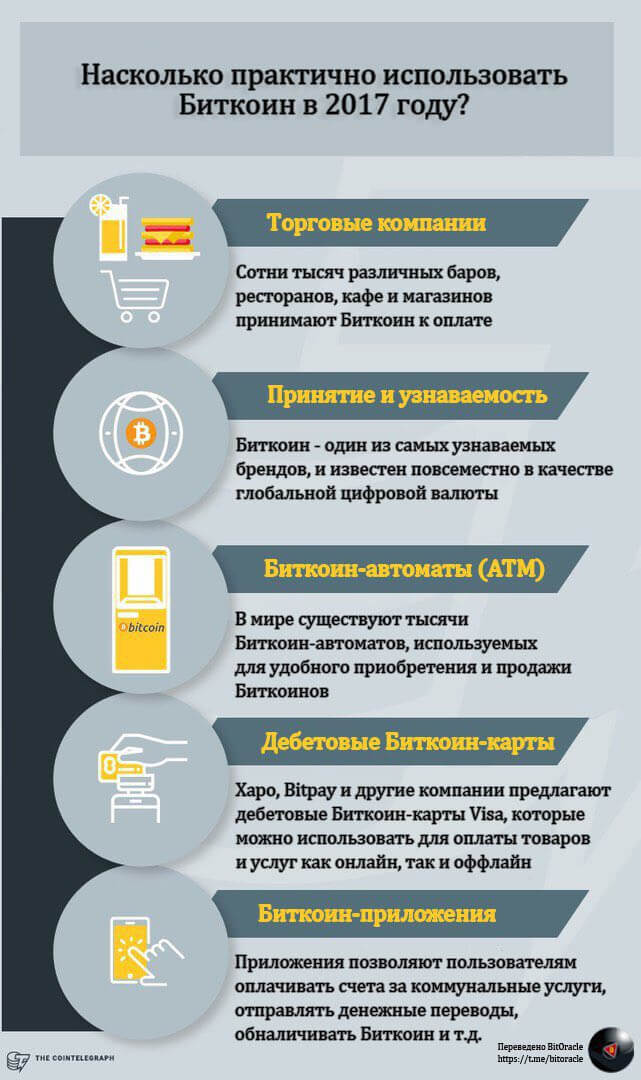
Bitcoin debit cards
Bitcoin-related companies, including wallet and storage platform Xapo, and BTCC, a leading Chinese Bitcoin exchange, offer Bitcoin debit cards. For example, Xapo sends debit cards to consumers who are linked to Bitcoin wallets. Transactions made with the Xapo Visa Debit Card are automatically deducted from your Bitcoin wallet in real time.
Additionally, the Xapo Visa debit card can be linked to platforms like PayPal, allowing users to easily purchase and spend Bitcoin at merchants, stores, and retail outlets. Travelers can also use the Xapo debit card to withdraw cash from ATMs, increasing liquidity for everyday users.
Retailers accepting Bitcoin
In some regions, especially Japan, many merchants have begun to accept Bitcoin as a legal payment method. The Japanese government's legalization of Bitcoin has allowed leading companies, including the country's largest electronics retailer Bic Camera, to integrate Bitcoin into public payments.
Bic Camera initially began accepting Bitcoin at one of its locations, and currently all Bic Camera locations in Japan accept Bitcoin.
More importantly, hundreds of thousands of merchants in Japan, including bars, restaurants, cafes and shops, have begun accepting Bitcoin through AirREGI, the country's most used point-of-sale (PoS) system.
Local publications, including Nikkei, reported in April that the AirREGI development team planned to integrate Bitcoin by summer 2017. Earlier last month, Kagayaki Kawabata, international business developer at Coincheck, told Bitcoin.com that several merchants had already begun accepting Bitcoin through AirREGI, with major expansion expected throughout 2017.
Kawabata stated:
“Other merchants are also preparing Bitcoin payments through AirREGI... To the existing 260 merchants that already use AirREGI, we will be adding new locations through our collaboration with Recruit Lifestyle.”
Consequently, it has become easier to spend Bitcoin directly in stores with AirREGI. Some hotels, including the Japanese Capsule Hotel, the most popular and largest budget hotel in Japan, have also integrated with Bitcoin.
Payment of utilities, credit card bills and transfers in Bitcoin
Regional service providers like Coins, which operates in the Philippines, Hong Kong, and Malaysia, allow users to pay utility bills such as electricity, water, rent, school fees, and internet bills in Bitcoin. You can even pay your credit card bills using Bitcoin.
Coins.ph, the Philippine arm of Coins, has formed additional partnerships with local banks and remittance branches. Thanks to this, users will be able to cash out and buy Bitcoin through ATMs, over-the-counter banking methods and at money transfer points.